Q. 39: What is the duty which God requires of man?
A. 39: The duty which God requires of man is obedience to His revealed will.
Q. 40: What did God at first reveal to man for the rule of his obedience?
A. 40: The rule which God at first revealed to man for his obedience was the moral law.
Q. 41: Where is the moral law summarily comprehended?
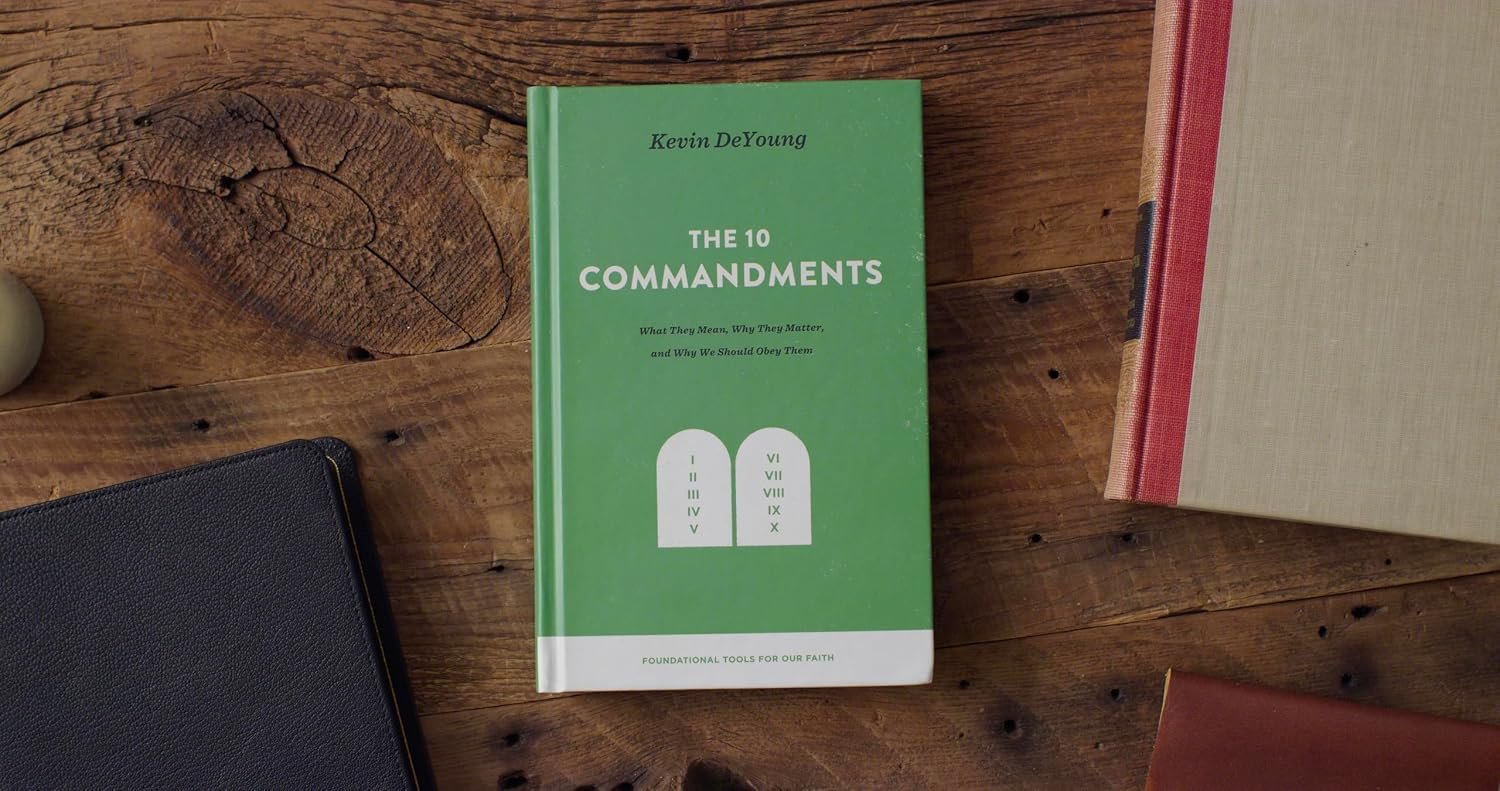
A. 41: The moral law is summarily comprehended in the Ten Commandments.
Q. 42: What is the sum of the Ten Commandments?
A. 42: The sum of the Ten Commandments is, “To love the Lord our God with all our heart, with all our soul, with all our strength, and with all our mind; and our neighbor as ourselves.”
Q. 43: What is the preface to the Ten Commandments?
A. 43: The preface to the Ten Commandments is in these words, “I am the Lord your God, who brought you out of the land of Egypt, out of the house of slavery."
Q. 44: What does the preface to the Ten Commandments teach us?
A. 44: The preface to the ten commandments teaches us that because God is the Lord and our God and Redeemer, therefore we are bound to keep all His commandments.
Q. 45: What is the first commandment?
A. 45: The first commandment is, “You shall have no other gods before Me.”
Q. 46: What is required in the first commandment?
A. 46: The first commandment requires us to know and acknowledge God to be the only true God and our God; and to worship and glorify Him accordingly.
Q. 47: What is forbidden in the first commandment?
A. 47: The first commandment forbids the denying, or not worshipping and glorifying, the true God as God and our God; and the giving of that worship and glory to any other, which is due to Him alone.
Q. 48: What are we specially taught by these words [before Me] in the first commandment?
A. 48: These words [before Me] in the first commandment teach us that God, who sees all things, takes notice of, and is much displeased with, the sin of having any other god.
Q. 49: What is the second commandment?
A. 49: The second commandment is, “You shall not make for yourself a carved image, or any likeness of anything that is in heaven above, or that is in the earth beneath, or that is in the water under the earth. You shall not bow down to them or serve them, for I the LORD your God am a jealous God, visiting the iniquity of the fathers on the children to the third and the fourth generation of those who hate Me, but showing steadfast love to thousands of those who love Me and keep My commandments.”
Q. 50: What is required in the second commandment?
A. 50: The second commandment requires the receiving, observing, and keeping pure and entire all such religious worship and ordinances as God has appointed in His Word.
Q. 51: What is forbidden in the second commandment?
A. 51: The second commandment forbids the worshipping of God by images or any other way not appointed in His Word.
Q. 52: What are the reasons annexed to the second commandment?
A. 52: The reasons annexed to the second commandment are God’ s sovereignty over us, His propriety in us, and the zeal He has to His own worship.
Q. 53: What is the third commandment?
A. 53: The third commandment is, “You shall not take the name of the LORD your God in vain, for the LORD will not hold him guiltless who takes His name in vain.”
Q. 54: What is required in the third commandment?
A. 54: The third commandment requires the holy and reverent use of God’ s names, titles, attributes, ordinances, Word and works.
Q. 55: What is forbidden in the third commandment?
A. 55: The third commandment forbids all profaning and abusing of any thing whereby God makes Himself known.
Q. 56: What is the reason annexed to the third commandment?
A. 56: The reason annexed to the third commandment is that however the breakers of this commandment may escape punishment from men, yet the Lord our God will not suffer them to escape His righteous judgment.
Q. 57: What is the fourth commandment?
A. 57: The fourth commandment is, “Remember the Sabbath day, to keep it holy. Six days you shall labor, and do all your work, but the seventh day is a Sabbath to the LORD your God. On it you shall not do any work, you, or your son, or your daughter, your male servant, or your female servant, or your livestock, or the sojourner who is within your gates. For in six days the LORD made heaven and earth, the sea, and all that is in them, and rested on the seventh day. Therefore the LORD blessed the Sabbath day and made it holy.“
Q. 58: What is required in the fourth commandment?
A. 58: The fourth commandment requires the keeping holy to God such set times as He has appointed in His Word; expressly one whole day in seven, to be a holy Sabbath to Himself.
Q. 59: Which day of the seven hath God appointed to be the weekly Sabbath?
A. 59: From the beginning of the world to the resurrection of Christ, God appointed the seventh day of the week to be the weekly Sabbath; and the first day of the week ever since, to continue to the end of the world, which is the Christian Sabbath.
Q. 60: How is the Sabbath to be sanctified?
A. 60: The Sabbath is to be sanctified by a holy resting all that day, even from such worldly employments and recreations as are lawful on other days; and spending the whole time in the public and private exercises of God’ s worship, except so much as is to be taken up in the works of necessity and mercy.
Q. 61: What is forbidden in the fourth commandment?
A. 61: The fourth commandment forbids the omission or careless performance of the duties required, and the profaning the day by idleness, or doing that which is in itself sinful, or by unnecessary thoughts, words, or works, about our worldly employments or recreations.
Q. 62: What are the reasons annexed to the fourth commandment?
A. 62: The reasons annexed to the fourth commandment are God’ s allowing us six days of the week for our own employments, His challenging a special propriety in the seventh, His own example, and His blessing the sabbath-day.
Q. 63: What is the fifth commandment?
A. 63: The fifth commandment is, “Honor your father and your mother, that your days may be long in the land that the LORD your God is giving you.”
Q. 64: What is required in the fifth commandment?
A. 64: The fifth commandment requires the preserving of honor, and performing of duties, belonging to everyone in their places and relations, as superiors, inferiors or equals.
Q. 65: What is forbidden in the fifth commandment?
A. 65: The fifth commandment forbids the neglecting of, or doing any thing against, the honor and duty which belongs to everyone in their places and relations.
Q. 66: What is the reason annexed to the fifth commandment?
A. 66: The reason annexed to the fifth commandment is a promise of long life and prosperity (as far as it shall serve for God’ s glory and their own good) to all such as keep this commandment.
Q. 67: What is the sixth commandment?
A. 67: The sixth commandment is, “You shall not murder.”
Q. 68: What is required in the sixth commandment?
A. 68: The sixth commandment requires all lawful endeavors to preserve our own life and the life of others.
Q. 69: What is forbidden in the sixth commandment?
A. 69: The sixth commandment forbids the taking away of our own life, or the life of our neighbor unjustly, or whatsoever tends thereunto.
Q. 70: What is the seventh commandment?
A. 70: The seventh commandment is, “You shall not commit adultery.”
Q. 71: What is required in the seventh commandment?
A. 71: The seventh commandment requires the preservation of our own and our neighbor’ s chastity in heart, speech, and behavior.
Q. 72: What is forbidden in the seventh commandment?
A. 72: The seventh commandment forbids all unchaste thoughts, words, and actions.
Q. 73: What is the eighth commandment?
A. 73: The eighth commandment is, “You shall not steal.”
Q. 74: What is required in the eighth commandment?
A. 74: The eighth commandment requires the lawful procuring and furthering the wealth and outward estate of ourselves and others.
Q. 75: What is forbidden in the eighth commandment?
A. 75: The eighth commandment forbids whatever does or may unjustly hinder our own or our neighbor’ s wealth or outward estate.
Q. 76: What is the ninth commandment?
A. 76: The ninth commandment is, “You shall not bear false witness against your neighbor.”
Q. 77: What is required in the ninth commandment?
Q. 77: The ninth commandment requires the maintaining and promoting of truth between man and man, and of our own and our neighbor’ s good name, especially in witness-bearing.
Q. 78: What is forbidden in the ninth commandment?
A. 78: The ninth commandment forbids whatever is prejudicial to truth, or injurious to our own or our neighbor’ s good name.
Q. 79: What is the tenth commandment?
A. 79: The tenth commandment is, “You shall not covet your neighbor’s house; you shall not covet your neighbor’s wife, or his male servant, or his female servant, or his ox, or his donkey, or anything that is your neighbor’s.“
Q. 80: What is required in the tenth commandment?
A. 80: The tenth commandment requires full contentment with our own condition, with a right and charitable frame of spirit toward our neighbor, and all that is his.
Q. 81: What is forbidden in the tenth commandment?
A. 81: The tenth commandment forbids all discontentment with our own estate, envying or grieving at the good of our neighbor, and all inordinate motions and affections to any thing that is his.